Describe Your Florida Rental’s Location Without Overpromising
October 22, 20265 min read min readCity & neighborhood guides
Learn how to turn firsthand neighborhood observations into accurate listing language and decide who should keep those details current.

Your rental’s location description is part of the promise you make to a guest. Words such as “quiet,” “central” and “walkable” can sound helpful while leaving the important details unstated. An owner may mean one thing. A guest may arrive expecting another.
For a Florida homeowner weighing self-management against professional help, this is a useful place to examine the work involved. Someone must decide what the listing can reasonably promise, answer location questions and revise descriptions when firsthand information changes.
The goal is not to make every neighborhood sound ideal. It is to describe your property’s setting clearly enough that guests can judge whether it fits their stay. That starts with evidence from your own address, not general claims about a city.
Describe the address, not the city’s reputation
A city name provides context. It does not explain the experience of arriving at your home, parking, settling in or going out for the day. Your location description needs to connect that broad label to the specific property.
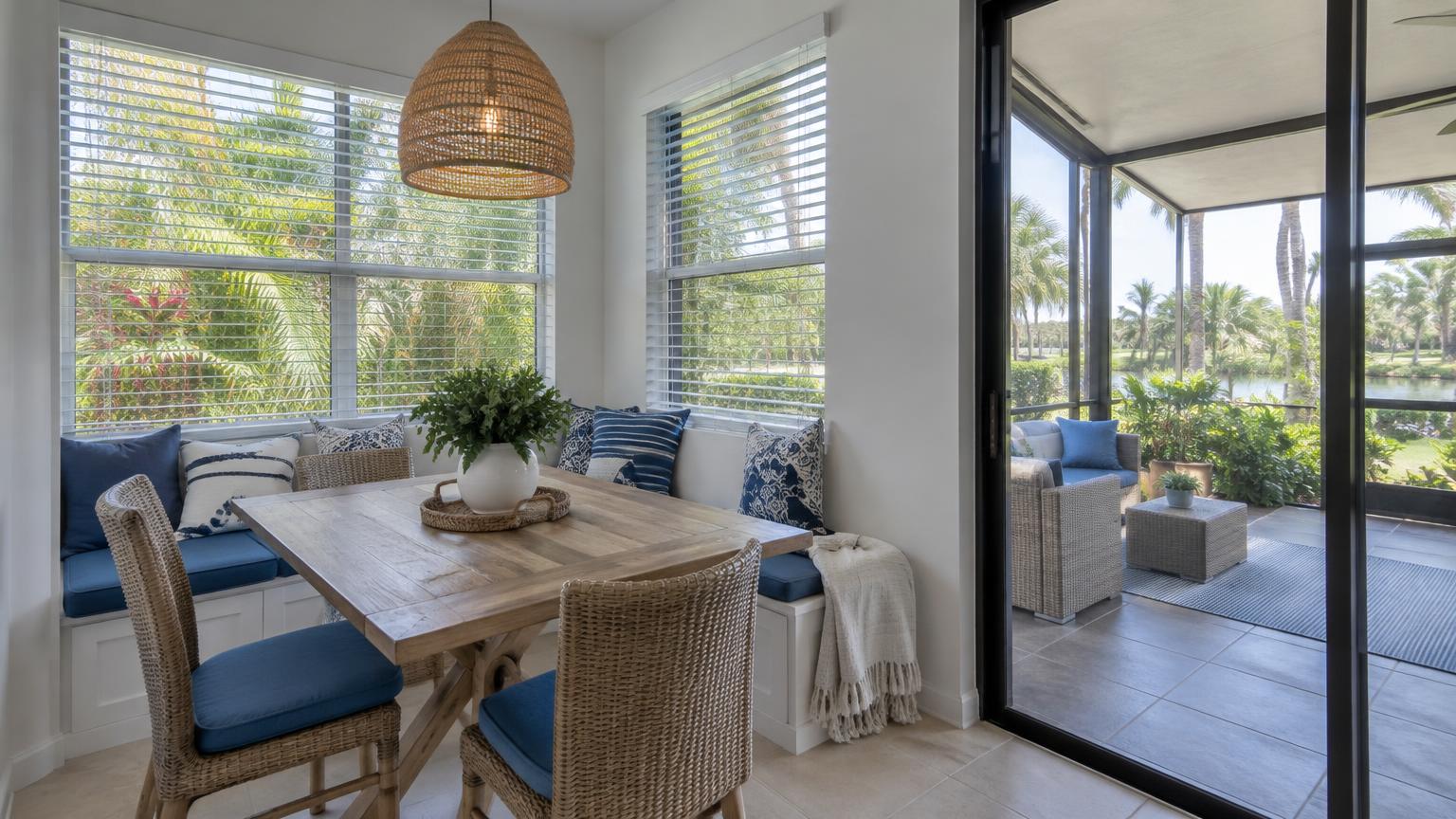
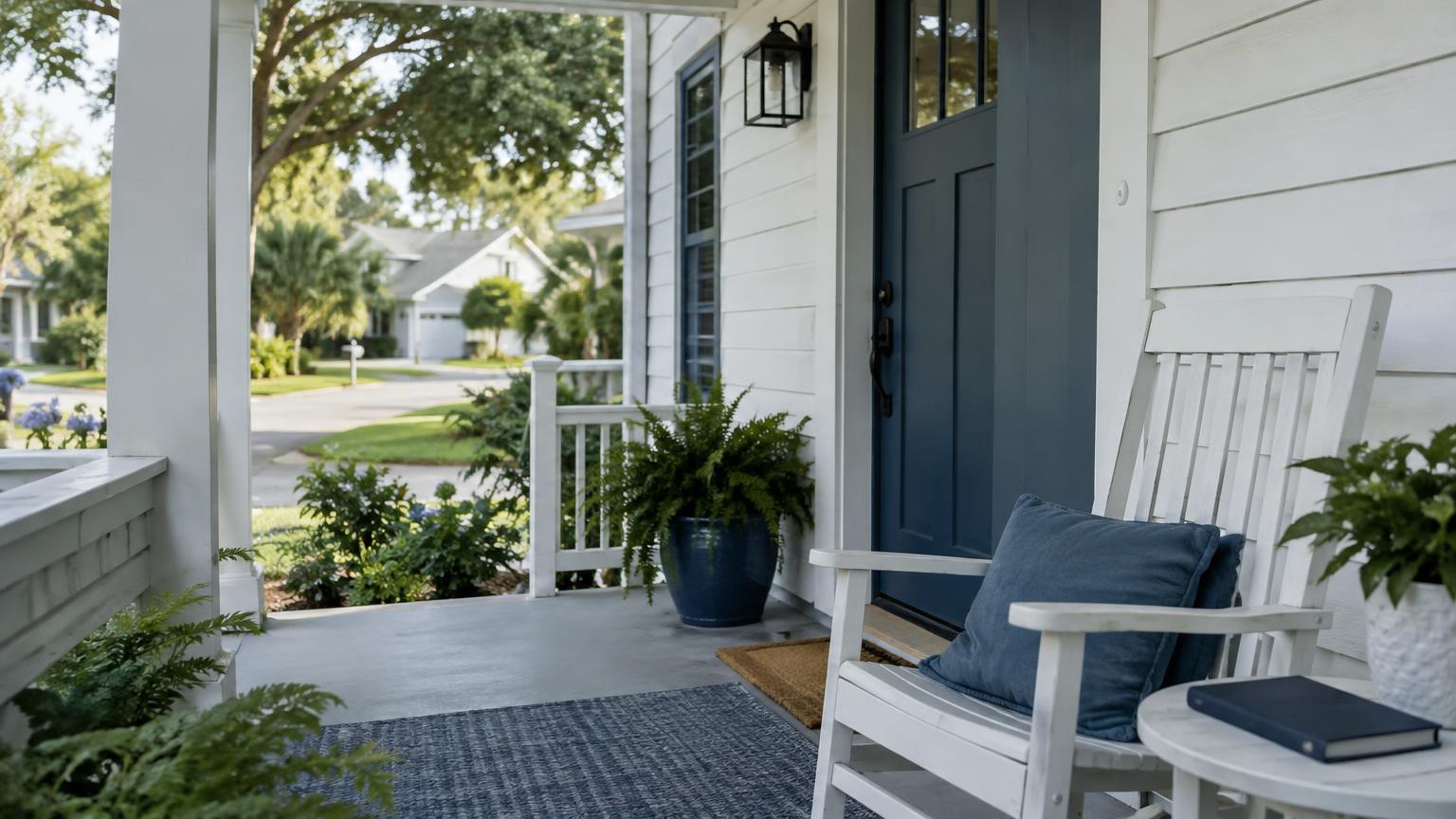
Start with the neighborhood as you actually experience it. Look at the approach to the house, the entrance guests will use and the relationship between indoor and outdoor space. Consider what a visitor could misunderstand from photographs alone. A courtyard might look secluded without showing its relationship to the street. A driveway photograph might not make the guest’s parking area clear.
Do not fill those gaps with flattering adjectives. Use concrete descriptions that you have checked. If the outdoor seating faces the street, say so. If guests enter from a different side than the listing’s main photograph suggests, explain that before arrival. These details belong in the appropriate listing or arrival information, rather than being left for a guest to discover.
Separate direct observations from judgments. “The bedroom windows face the street” describes a physical feature. “You will sleep peacefully” promises an experience you cannot control. Similarly, a nearby destination can be named once verified, but calling the property convenient for every visitor goes further than the evidence supports.
This approach does not require a negative description. It requires a useful one. Lead with the setting’s genuine strengths, then state the practical details that help a guest understand them.
Build location claims from firsthand checks
Before rewriting your listing, review the location language already in use. Include descriptions on booking channels, saved replies and any messages you routinely send to prospective guests. Look for statements that sound precise but have no clear source.
Travel language deserves particular care. “Minutes from everything” gives no destination, mode of travel or conditions. Even a measured journey needs context. If you publish a travel-time range, base it on checks you can explain and say that it depends on the route, travel method and conditions. Otherwise, leave the estimate out.
Walking claims need the same discipline. Distance alone does not tell a guest whether a route will suit them. Describe the route features you have verified instead of making a blanket judgment about ease or accessibility. Do not infer accessible access from a short distance or a photograph.
Use a single location review to identify what needs checking:
- City and neighborhood labels: confirm that each accurately describes the property’s location.
- Nearby destinations: verify the name, location and relevance before including them.
- Travel statements: identify the destination and travel method behind each estimate.
- Property access: check that entrance and parking descriptions match the guest’s actual arrangements.
- Outdoor setting: compare photographs and wording with what guests will encounter.
- Subjective claims: replace unsupported words such as “peaceful” or “perfectly located” with observable details.
Keep a simple record of the source behind each important statement. That might be your own visit, a checked route or current information from the destination itself. Record when it was checked, too. This gives you a basis for answering questions without relying on memory.
An unchecked claim should not survive merely because it has been in the listing for years. Remove it until you can support it.
Explain location differently for different stays
CJR Stays manages both short-term and mid-term rentals. When describing your own property, consider how location questions might differ between those types of stay. Do not assume that every visitor has the same itinerary or priorities.
For a short visit, a guest might focus on access to a particular destination and the practicalities of arrival. For a longer stay, the same guest might want more detail about everyday trips, the setting around the home or how the property works during ordinary weekdays. Treat these as possible needs to clarify, not fixed guest profiles.
You do not need separate, contradictory versions of the neighborhood. You need a stable factual description with room for relevant follow-up answers. A guest asking about a particular journey should receive information about that journey, not a repeated claim that the home is centrally located.
Avoid turning location copy into an assurance about permitted use. A neighborhood’s appearance does not establish rental eligibility. Short-term rentals are permitted statewide in Florida, but local registration, zoning and tax rules still apply. Whether your property suits a guest’s plans and whether your operation meets applicable requirements are separate matters.
Keep that distinction clear when comparing management options. Strong listing language cannot replace a property-specific review of the rules that apply.
Decide who owns the description after publication
An accurate location description is not a one-time writing task. Decide who will keep it aligned across the listing, saved messages and arrival instructions. Otherwise, a correction in one place can leave an outdated promise elsewhere.
If you self-manage, build this responsibility into your normal property oversight. When a guest asks a question your listing should have answered, consider whether a revision would help. When someone reports a mismatch, verify it before changing the wording. One guest’s preference is not necessarily a factual error, but a wrong entrance description is.
If you hire a manager, ask how location information is gathered, approved and updated. Establish which details require your confirmation and who can correct an obvious error. Ask how guest communication informs listing revisions and how those changes will be reported to you.
CJR Stays provides full-service management covering pricing, guest communication, cleaning, maintenance, stocking and owner reporting. When considering that support, discuss location accuracy alongside those operational tasks. A hospitality-first experience starts with a promise the home can actually meet.
For help reviewing your property’s positioning and management needs, request a free property review or start a conversation with CJR Stays.
Ready to put this to work on your property?
CJR Stays handles operations, staffing, guest communication and revenue management — so you keep the returns without the daily workload.