A Florida Neighborhood Guide for Vacation Rental Owners
October 9, 20265 min read min readCity & neighborhood guides
Learn how to assess your Florida neighborhood, build an accurate guest guide, and decide which rental management tasks to handle yourself.
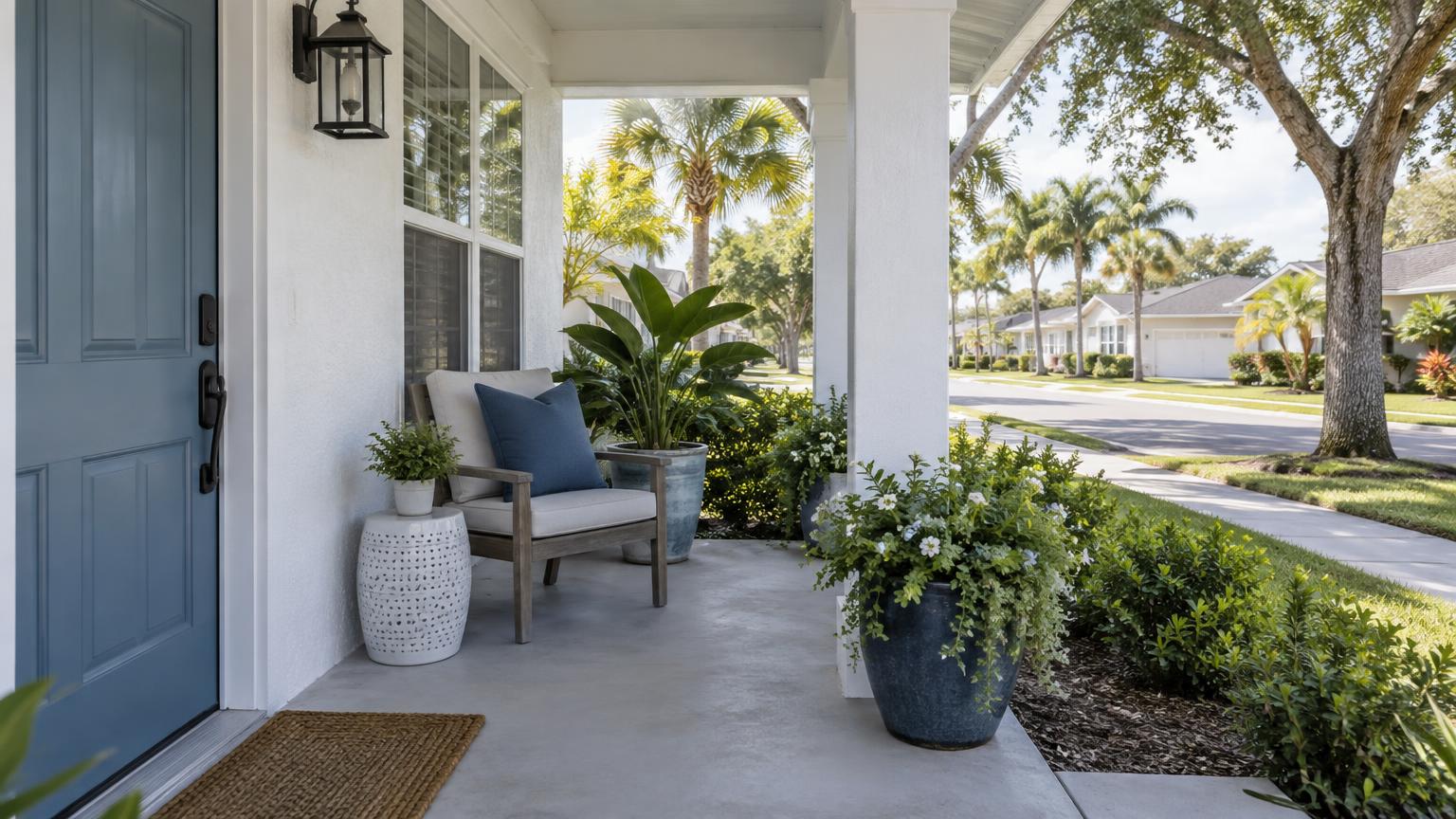
A useful neighborhood guide starts with the property you already own. It should explain what staying there actually involves: arriving, parking, finding essentials, and understanding the surroundings. For an owner, building that guide also reveals how much work it will take to manage the home well.
The starting point is not a label such as “walkable,” “quiet,” or “close to everything.” Those descriptions need evidence. Your address, the route to the front door, and the details you can verify are more useful than a broad description of a Florida city.
Whether your home is in Winter Park or elsewhere in Florida, assess its immediate surroundings before deciding how to present it. Then separate what you know from what still needs checking. That distinction matters both for guest expectations and for your decision to self-manage or hire help.
Start with the address, not the city’s reputation
Treat your neighborhood review as a practical inspection. Begin inside the home, follow the guest’s arrival route, and work outward. Record what someone unfamiliar with the property would need to know. Do not assume that a detail is obvious simply because you have lived with it for years.
Check the approach to the home in person when possible. Confirm how the entrance is identified and where guests should unload. If parking is available, describe the actual arrangement rather than calling it “easy.” Any parking instructions should reflect rules you have verified, not habits you have observed.
Next, review nearby places you might include in a guest guide. Verify each destination and its route from the property. Avoid turning a map estimate into a promise. If you give a travel-time range, explain that it depends on the route, transportation method, and conditions rather than presenting one fixed time.
Use one working checklist for the details that need confirmation:
- Arrival: the correct entrance, access instructions, and any confusing turns or shared areas.
- Parking: where guests may park and which restrictions you have confirmed.
- Daily needs: verified options for groceries, meals, and other essentials.
- Getting around: routes you have checked and transportation details you can accurately describe.
- Surroundings: conditions you have observed that could affect a guest’s expectations.
- Property rules: applicable requirements you have checked with the relevant authority or association.
Keep an internal version of this record separate from the guest-facing guide. The internal version can include unresolved questions and the date each detail was checked. Guests should receive clear, confirmed instructions, not your research notes.
This process helps you write a more useful listing. Instead of borrowing the reputation of an entire city, you can describe the specific experience your home supports. Leave out claims you cannot verify, even when they sound appealing.
Keep local permission separate from neighborhood appeal
An attractive location does not settle whether your intended rental operation meets the applicable requirements. Florida permits short-term rentals statewide. A 2011 state law limits how far counties can go in banning them, but local registration, zoning, and tax rules still apply.
For an existing owner, the practical step is to check requirements for the property’s exact address and intended use. Do not treat another rental nearby as proof that your setup is compliant. Its registration, operation, or other circumstances may differ from yours.
Florida Statute 509.242 treats occupancy of six months or less as transient use. Most Florida counties add a tourist development tax on stays of six months or less, and state sales tax applies. A stay described as “mid-term” should therefore not be assumed to fall outside those rules simply because it is longer than a typical vacation.
Some vacation rental operations also require state licensing. Confirm whether your operation needs a license, along with the local registrations and tax arrangements that apply. Resolve uncertain requirements with the relevant authority before relying on them in your operating plan.
Keep this compliance work distinct from your guest guide. Guests need practical instructions about using the property. You need a reliable record of the requirements behind the operation. Both deserve attention, but they serve different purposes.
When considering a management company, ask who handles each verification, filing, and ongoing obligation. Full-service management should not be read as an automatic answer to every compliance question. Have responsibilities explained clearly before you hand over the property.
Build the guide around the stay you can support
CJR Stays manages both short-term and mid-term stays. For either format, a neighborhood guide should help guests use the home without overstating what is nearby. Begin with arrival and daily essentials, then add destinations only when you can describe them accurately.
For a shorter stay, consider whether the guide lets someone settle in without repeated clarification. For a longer stay, review whether it explains the routines they will need throughout their visit. These are planning checks, not assumptions about who will book your home.
Connect the neighborhood information to the property itself. If you recommend preparing meals at home, check that your description of kitchen equipment matches what is stocked. If you describe an arrival arrangement, make sure cleaning and maintenance visits do not conflict with it. The guide should reflect the operation you actually run.
Avoid building the listing around an imagined guest profile. Your own booking history and guest questions, if available, provide a better starting point. Review what people have asked and which explanations were missing. Update the guide when you confirm a useful answer.
Use the review to decide who should manage the work
Once the neighborhood review is complete, look at the work behind it. Someone must verify details, maintain arrival instructions, answer guest questions, coordinate cleaning, arrange maintenance, and keep supplies consistent. Pricing and owner reporting also need a clear process.
Self-management means deciding how you will cover those responsibilities, including when you are unavailable. Write down your plan for each task. A familiar neighborhood does not replace a workable system for responding to guests or getting a problem addressed at the property.
CJR Stays provides full-service management covering pricing, guest communication, cleaning, maintenance, stocking, and owner reporting. Its coverage is nationwide, with a current focus throughout Florida. When comparing that support with self-management, use your property review to discuss specific responsibilities rather than relying on a general service label.
The goal is a home that is described accurately and operated consistently. A grounded neighborhood guide helps establish both. It also gives you a concrete basis for deciding which work you want to keep and which work you want someone else to handle.
For help reviewing your home and its management needs, request a free property review or start a conversation with CJR Stays.
Ready to put this to work on your property?
CJR Stays handles operations, staffing, guest communication and revenue management — so you keep the returns without the daily workload.