Is Orlando Still a Good Vacation Rental Investment in 2026?
October 2, 20263 min read min readOwner acquisition
Orlando posted strong occupancy and revenue in 2026, but record supply means execution matters more than ever. What the data says for investors — and the due diligence that protects your return.
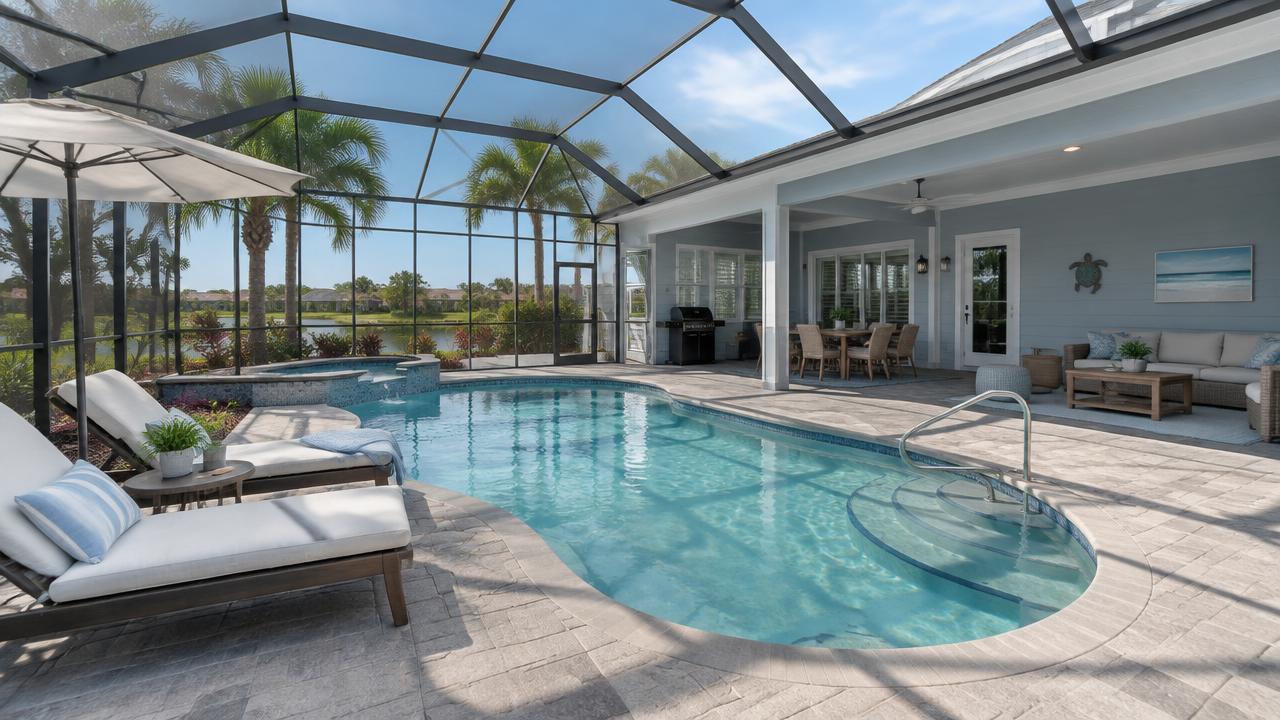
Orlando is the most-visited city in the United States, and its vacation rental market is one of the largest in the country. But bigger also means more competition, more rules to navigate, and a wider gap between the best- and worst-performing properties. Here's what the 2026 data actually says — and what it means if you're considering buying.
What the Orlando market looks like in 2026
Orlando's short-term rental market counts more than 42,000 active listings, with the average listing earning roughly $48,700 in gross revenue over the trailing twelve months at about 61% occupancy and a $244 average daily rate, according to AirDNA's August 2026 market data. Active listings have grown sharply year over year, which is the headline for new investors: demand is strong, but supply is growing faster than the market can absorb it evenly. Well-run homes still outperform — being average is no longer good enough to hit the averages.
Why demand in Orlando holds up
- Walt Disney World, Universal Orlando's expanding parks, and SeaWorld anchor a year-round family travel market
- The Orange County Convention Center drives steady midweek business travel
- Orlando's large 5-to-8 bedroom pool homes serve groups that hotels can't easily accommodate
- International visitation adds a second demand layer most U.S. markets don't have
The market lives in the resort corridor
The whole-home vacation rental market concentrates in the Kissimmee and ChampionsGate resort corridor, much of it in Osceola County just outside Orlando city limits. Zoning — not demand — decides where rentals are actually allowed, and it changes street by street. Orange County and the City of Orlando have different rules than Osceola and Polk counties, and many of the most desirable resort communities sit in unincorporated areas with their own county regulations layered on top.
Due diligence that makes or breaks your return
Before you make an offer, work through this list:
- Zoning and permits: Confirm the exact parcel is eligible for short-term rental before you close — not after.
- HOA and community rules: Resort communities often have their own rental policies, minimum stays, and approval processes.
- CDD and resort dues: Community development district assessments and resort fees can quietly add hundreds per month.
- Insurance and flood zone: Pool homes and the Florida insurance market need careful underwriting.
- Furnishing and setup capital: Budget realistic one-time costs to furnish a home to the standard guests expect.
Execution is the real differentiator
In a market with 40,000+ listings, two identical houses on the same street can have wildly different revenue. The difference is rarely the house. It's pricing, photography, review scores, response times, and cleanliness — all of which compound. Owners who self-manage from out of state tend to fall behind on all five at once. That's why professional management in Orlando isn't a luxury expense; it's how you stay in the top half of the distribution that sets the revenue averages.
So is it still a good investment?
For buyers who underwrite carefully — confirm the zoning, budget honest operating costs, and plan for professional operations — Orlando remains one of the most liquid and demand-secure vacation rental markets in the country. For buyers who assume the 2021 math still works on autopilot, the growing supply will eat the return. If you're evaluating a property, we're happy to run the numbers with you — tell us about the home and we'll walk through projected income and what it takes to operate it well.
Ready to put this to work on your property?
CJR Stays handles operations, staffing, guest communication and revenue management — so you keep the returns without the daily workload.